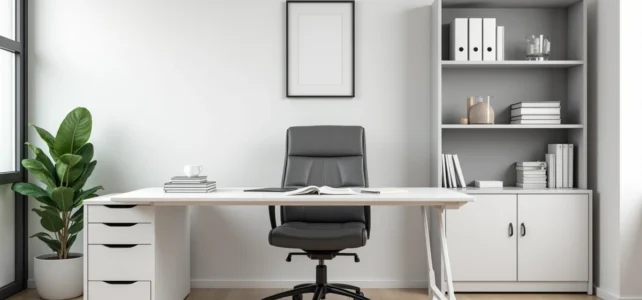
Setting up a professional office is not just about choosing a desk and a few chairs. The market for medical and paramedical furniture and equipment offers increasingly segmented ranges, including connected devices, enhanced hygiene standards, and accessibility requirements. The choice of each element affects both the quality of the consultation and the patient’s experience from the waiting room onward.
Connected devices and professional software: the foundation of the modern office
Content on office setup focuses on physical furniture. It often overlooks a recent shift: the integration of connected medical devices with the office management software (EMR). Blood pressure monitors, portable ECGs, or pulse oximeters linked to the shared medical record (DMP) change how the practitioner organizes their consultation space.
A connected blood pressure monitor transmits data directly into the patient record, eliminating manual re-entry and reducing the risk of error. For a general practitioner, this type of equipment justifies rethinking the layout of the workstation: the consultation screen must remain visible to the practitioner during the examination, and Wi-Fi or Bluetooth connectivity must be reliable throughout the room.
Teleconsultation adds an additional constraint. An office offering remote consultations needs appropriate lighting, a camera of sufficient quality, and a stable network connection. These elements are rarely listed in traditional equipment guides, yet they determine the continuity of care between the office and the patient’s home. To explore a structured selection around these needs, Aissa’s office equipment on Deco Asaiss provides an overview of the categories to consider.
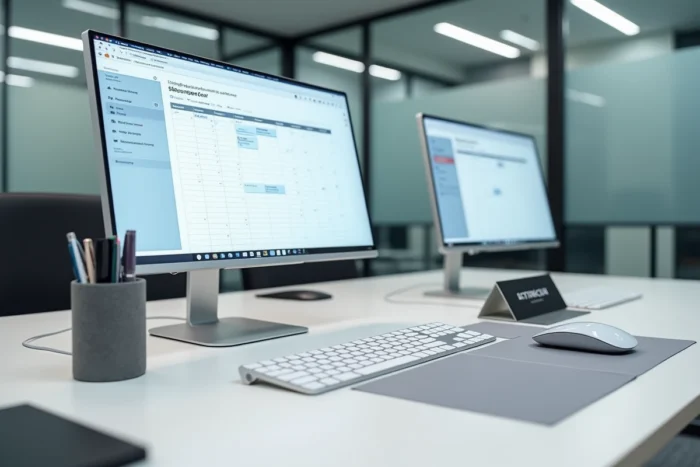
Hygiene standards and sterilization in medical offices: what has changed
Hygiene requirements have significantly evolved in recent years. Recent guides mention a permanent stock of nitrile gloves, surgical masks and FFP2, gowns, and shoe covers as a basic standard, including for general medicine offices.
For any office performing invasive procedures (beyond just dental), the issue of sterilization is more rigorously addressed. Class B autoclaves, decontamination basins, sterilization pouches, and biological indicators are among the expected equipment. Field feedback varies on the level of investment required depending on the specialty, but the principle remains the same: the traceability of the sterilization cycle must be documented.
Consumables and management of healthcare waste
Protective equipment is not sufficient without a compliant collection system. DASRI (waste from healthcare activities with infectious risks) collectors must be present in every consultation room where a penetrating or contaminating procedure is performed. Surface disinfectants complement the system between each patient.
- Single-use examination sheets, systematically replaced between two consultations, to ensure a verifiable level of hygiene.
- Virucidal and bactericidal surface disinfectants, applied to the examination table, armrests, and door handles.
- DASRI collectors with a capacity suited to the volume of daily procedures, with a collection contract with an approved provider.
Ergonomic furniture and accessibility: selection criteria for the consultation room
The choice of consultation furniture goes beyond the comfort of the practitioner. Accessibility for people with reduced mobility determines the type of examination table and the configuration of the space. A height-adjustable table (electric or hydraulic) allows a wheelchair-bound patient to settle in without heavy assistance.
The doctor’s desk deserves the same attention. A work surface wide enough to accommodate a screen, keyboard, and paper files, combined with an adjustable height ergonomic chair, limits musculoskeletal disorders related to repeated consultations. The available data does not allow for a conclusion on a price threshold below which ergonomic quality declines, but the presence of lumbar support and adjustable armrests is a functional minimum.
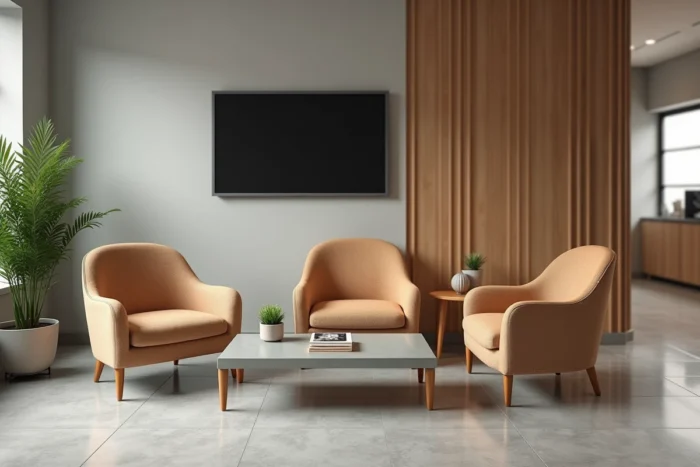
Storage and circulation in the consultation space
A lockable medicine cabinet remains a regulatory requirement for storing medications and care products. Field feedback varies on this point: some practitioners prefer low drawer furniture to limit movement, while others opt for wall columns that free up floor space.
A circulation space free of at least the width of a wheelchair between each piece of furniture ensures accessibility. This criterion, often overlooked during the initial setup, requires limiting the number of pieces of furniture in the room rather than trying to optimize everything.
Waiting room and reception: equipment that influences patient perception
The waiting room remains the first physical point of contact with the office. The choice of seating is crucial: ergonomic seats that are wide enough, with easy-to-clean materials (synthetic leather, polypropylene) meet the dual constraints of comfort and hygiene.
A clear display board indicating schedules, health guidelines, and fees reduces inquiries at the reception desk. If the office accommodates children, a dedicated corner with a few suitable games transforms the wait for families.
- Washable upholstered seats, spaced to respect distances between patients.
- Natural lighting or warm indirect light, to avoid a cold hospital atmosphere.
- Pre-reception terminal or tablet connected to the management software, allowing the patient to signal their arrival without going through the reception desk.
- Visible and accessible hand sanitizer dispenser at the entrance.
The setup of a professional office relies on a constant trade-off between budget, regulatory constraints, and usability comfort. Connected equipment, enhanced hygiene protocols, and accessibility are no longer options for comfort but structural components of daily practice. Each specialty imposes its priorities, and the choice of equipment should be considered as a coherent system rather than a list of separate purchases.