
Doro phones operate with physical SIM cards, the format of which varies by model: mini-SIM, micro-SIM, or nano-SIM. Before subscribing to a plan or ordering a card, identifying the format accepted by the device helps avoid damaging the tray or needing to use an adapter. The choice of SIM card for a Doro phone also depends on the network supported by the model, a parameter that the technical specifications do not always highlight.
SIM Card Format and Network Compatibility of Doro Models
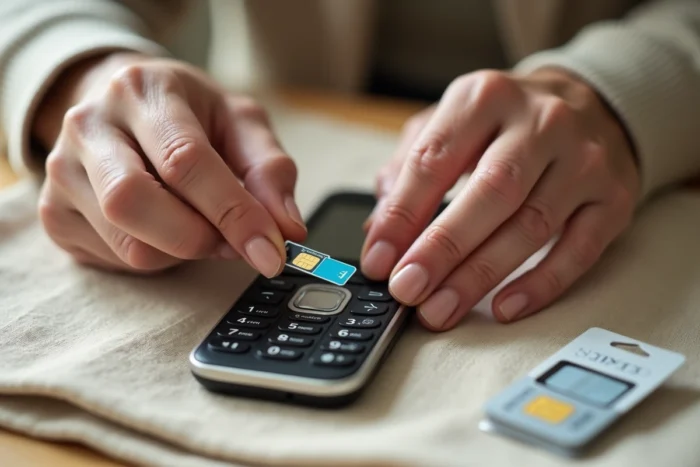
Each generation of Doro phone uses a different SIM format. The older flip models (like the Doro 6060, for example) accept a micro-SIM (3FF). Newer smartphones, such as the Doro 8100, use a nano-SIM. Confusing the two formats requires cutting or inserting an adapter, which can block the tray.
Format is not the only criterion. An older generation Doro flip phone only supports 2G, while a model like the Doro 6880 operates on 4G. This distinction directly impacts the type of plan to choose: an offer designed solely for voice on a 2G network will become unusable in the medium term.
To find the right SIM card for Doro phone, the most reliable reflex is to check the technical specifications of the exact model on the manufacturer’s website, where the SIM format and supported network bands are indicated.
2G Shutdown in France: Why It Concerns Doro Phones
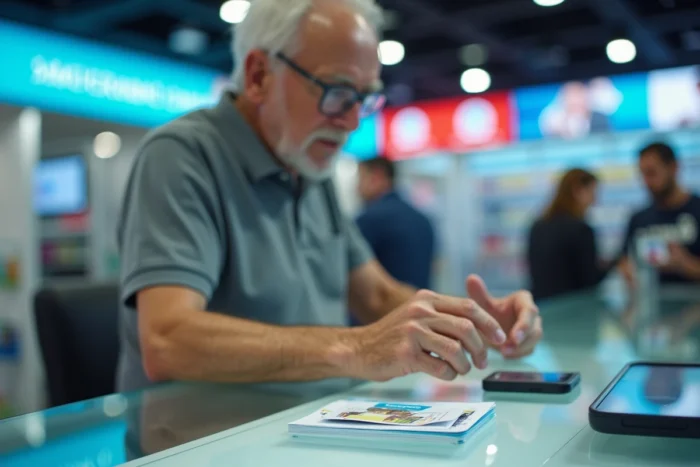
2G is set to be shut down in France. SFR Business reminded in 2025 that the 2G network shutdown is scheduled for November 15, 2026, and millions of SIM cards remain active on devices using this network exclusively. For a Doro phone user that only supports 2G, this means that calls and SMS will stop working after the shutdown date, even with an active plan.
Two options are available:
- Keep the 2G Doro and accept that it will become unusable when the network shuts down, which effectively postpones the problem for a few months.
- Switch to a 4G compatible Doro model (like the Doro 6880 flip) and subscribe to a plan that includes voice over 4G (VoLTE), ensuring service continuity well beyond 2026.
- Check with the operator if the current SIM card supports VoLTE, as some older SIMs need to be replaced for free in-store to activate this feature.
The shutdown of 2G is not a technical detail reserved for specialists. It is the factor that renders most SIM cards associated with old Doro feature phones obsolete.
Senior Mobile Plan: Criteria to Check Before Subscribing
A plan suitable for a Doro phone does not need to offer 100 GB of data. The majority of users of these devices consume voice calls, SMS, and very little data. Operators offer entry-level plans with unlimited calls and SMS and a reduced data allowance, often for less than ten euros per month.
A common pitfall is choosing a plan at the lowest price without checking the network compatibility with the phone. A plan marketed as “4G” will be useless on a Doro limited to 2G, and conversely, an old throttled 2G plan will prevent a 4G Doro from utilizing VoLTE.
Three points deserve special attention before subscribing:
- The network coverage of the operator in the main usage area (home, second residence, retirement home). A cheap plan on a poorly covered local network leads to dropped calls and frustration.
- The commitment or lack thereof. No-commitment plans allow changing operators if coverage proves insufficient after a few weeks of use.
- Customer service and phone support. For a senior audience, quick access to an advisor by phone matters more than a sophisticated mobile app.
Prepaid SIM or Classic Plan for a Doro
The prepaid card seems logical for occasional use: you top up when you want, without a monthly withdrawal. In practice, prepaid cards deactivate after several months without recharging, and the phone number can be lost. For an elderly person who primarily uses their Doro as a safety phone, this loss of number poses a real problem.
A low-cost plan with unlimited calls and no commitment offers better continuity. Automatic billing prevents forgetfulness in recharging, and the number remains active as long as the plan is paid. The difference in monthly cost between a prepaid recharge and a small plan has significantly decreased in recent years.
The prepaid card retains interest only in one specific case: a backup Doro phone stored in the glove compartment, used a few times a year. For any other use, the monthly plan remains more reliable.
Doro and eSIM: What is the Compatibility Status
Current Doro phones do not integrate eSIM technology. All marketed models (both flip and smartphones) require a physical SIM card. This absence is explained by the brand’s positioning: target users prefer a tangible object, manually inserted, rather than a digitally activated profile.
ARCEP notes that the number of active SIM cards on 5G networks exceeds 32 million in France, but this dynamic mainly concerns high-end smartphones compatible with eSIM. For Doro phones, the physical SIM card in the correct format remains the only option to consider, and nothing indicates a short-term change in the manufacturer’s range.
Choosing a SIM card for a Doro involves crossing three data points: the accepted physical format by the model, the supported network (2G, 4G), and the sustainability of the plan in light of the scheduled 2G shutdown. A small no-commitment 4G plan, on a well-covered local operator, covers nearly all needs.