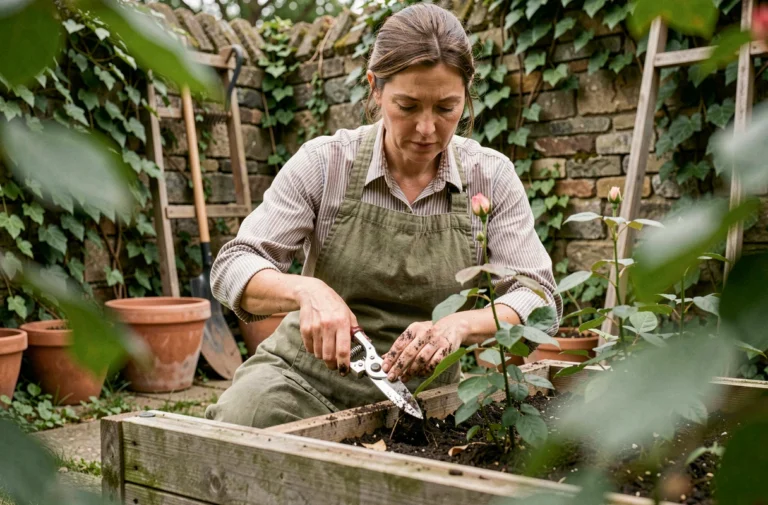
Fully enjoying leisure activities on a daily basis doesn’t require a huge budget or an empty schedule. The real lever is consistency: a few well-chosen time slots during the week can change your relationship with free time more than a long isolated vacation. This article offers concrete suggestions, tested in ordinary life contexts, to reinject pleasure into your days without disrupting your organization.
Local leisure activities: why local activities are gaining ground
Have you noticed that neighborhood markets, community workshops, and local walks are attracting more and more people? This shift towards local leisure activities reflects a profound change. Recent data indicates a notable increase in spending on local activities, while spending related to international tourism is significantly declining.
Specifically, this means that daily leisure is increasingly happening just a few kilometers from home. A painting class in a community center, a collective gardening session, or a family nature outing on Sunday morning: these short, accessible, and repeatable activities provide the most satisfaction over time.
For those looking to discover leisure activities on Wiki FR, crossing different categories of activities helps identify what truly matches one’s lifestyle rather than following a passing trend.
Physical activities in daily life: sports as an accessible leisure
Regular sports practice is on the rise in France, and the gap between men and women is narrowing significantly. Sports are no longer reserved for competition enthusiasts. They blend into daily life in various forms.
Choosing an activity that fits your schedule
There’s no need to aim for three one-hour sessions per week if your schedule doesn’t allow it. Two thirty-minute slots are enough to feel an effect on mood and sleep. Fast walking, biking for short trips, yoga at home with an online video: the format matters as much as the discipline.
Sports with family or among adults
Physical activities shared with children (hiking, swimming, ball games in a park) offer two benefits: time together and movement. For adults without children, joining a local running or badminton group creates a regular social appointment that anchors the practice over time.
- Walking or utility biking: replacing one motorized trip per week transforms a journey into active leisure without requiring an additional time slot.
- Home sports: no registration, no travel, dozens of free online programs for all levels.
- Local community activity: membership fees are often modest, and the collective setting helps maintain consistency.
Screen time and digital leisure: finding the right balance
Digital leisure activities (online games, streaming, social networks) now form the foundation of free time, especially among young people. A recent study describes three “layers” of leisure in this age group, with an omnipresent digital base that absorbs a large part of available time.
The problem is not the screen itself. It’s the lack of conscious choice in what we do on it. Scrolling through a news feed for forty minutes rarely provides the same sense of satisfaction as playing a strategy game with friends or watching a pre-selected documentary.
Two guidelines for satisfying use
The first guideline is planning: deciding before sitting down what to watch or play avoids passive drifting. The second is physical disconnection. Going for a walk without a phone, even for fifteen minutes, restores a sensory contrast that the brain perceives immediately.
A significant portion of young adults report neglecting their non-digital leisure each week due to time spent on screens. This observation does not condemn games or series, but it invites regular checks to see if screen time corresponds to a choice or a default habit.
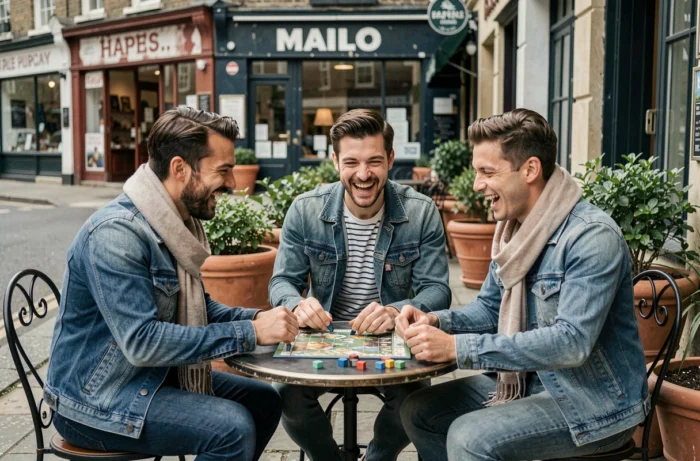
Creative leisure at home: painting, gardening, and learning
Manual activities remain among the most satisfying leisure activities because they produce a visible result. Painting a piece of furniture, caring for plants on a balcony, or learning to sew generates a sense of accomplishment that passive consumption does not provide.
Gardening, even in a small space, offers a regular and evolving leisure activity. A few pots of herbs on a windowsill require five minutes of attention per day and provide an excuse to disconnect from screens. In a house, a vegetable garden of a few square meters creates a weekly appointment with the earth that structures the week.
Painting and drawing operate on the same principle: a sketchbook, a few pencils, and fifteen minutes in the evening are enough to make progress. The trap would be to wait for “real free time” to start. Creative leisure derives its value precisely from its integration into the interstices of daily life.
- Painting or drawing: very low entry cost, possibility to learn online, visible results from the first sessions.
- Indoor or balcony gardening: suitable for small spaces, a natural rhythm that imposes gentle regularity.
- Creative cooking: testing a new recipe each week transforms a chore into a shareable leisure activity with family.
Organizing your week to protect your leisure slots
The main obstacle to daily leisure is neither the budget nor the lack of ideas. It’s the absence of protected time slots in the agenda. Blocking two to three fixed time slots per week for a chosen leisure activity works better than relying on leftover time at the end of the day.
This mechanism is simple but rarely applied. We block a medical appointment, a meeting, a class for the kids, but rarely an hour for reading or a bike ride. Treating leisure as a firm commitment changes the dynamic.
The other lever is reducing distracting tasks. Grouping errands, limiting notifications, preparing meals in advance: every minute saved becomes available for a chosen activity. Daily leisure is not a luxury reserved for those with abundant free time. It is a discipline of allocation, just like managing a budget.